A British pub is rarely just a pub. It is a kitchen, a courthouse, a coaching stop, a wake, a first date and last orders all folded into the same few rooms. That layered history is why so many pubs feel quietly odd after dark. But a ghost hunt in a pub should not be a performance. It is a slow, observant walk through someone else’s workplace, with a notebook and a healthy scepticism.
Whether you are visiting a famous haunted inn or a back-street local with one strange story, the same principles apply. Look first, ask second, and always leave the landlord better off for having you there.
Start with the building, not the ghost
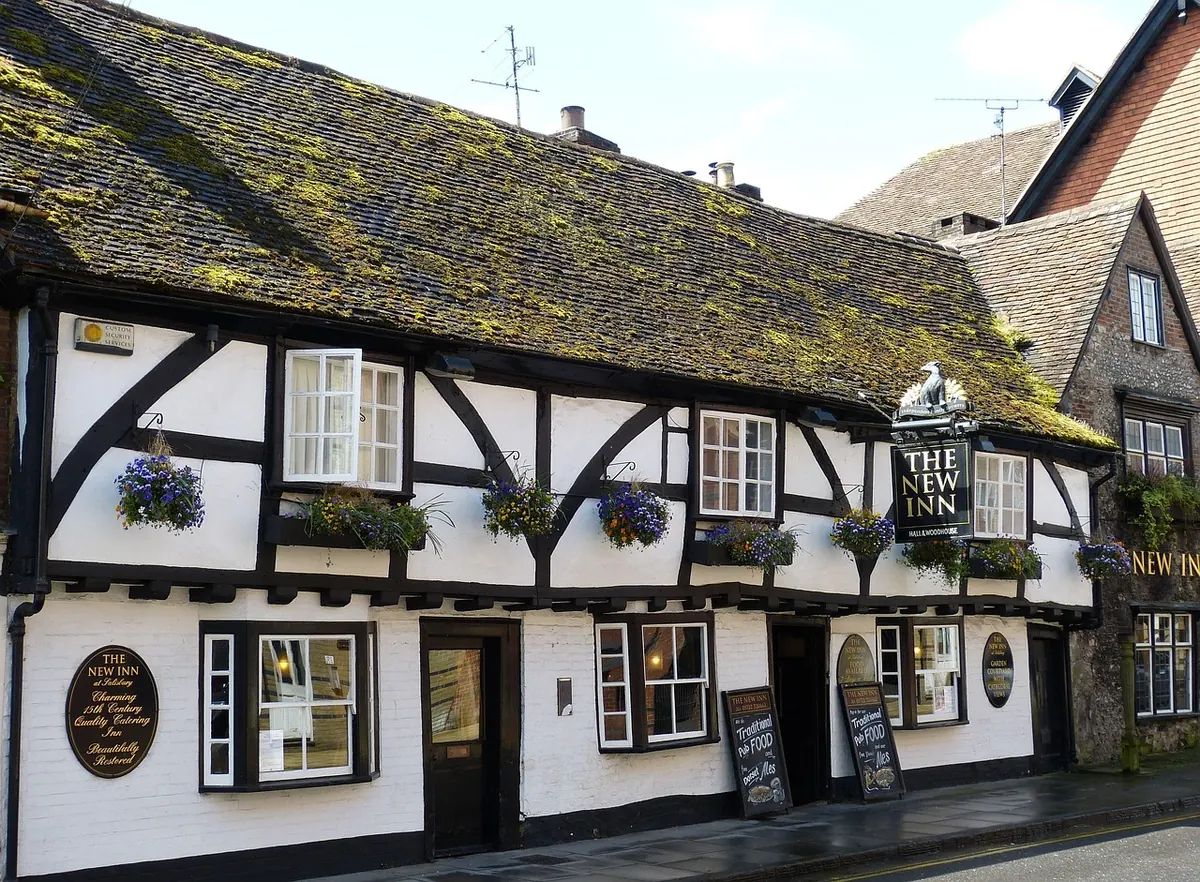
Before you ask about apparitions, read the architecture. A pub that began as a coaching inn will have a different layout from a Victorian corner boozer or a sixteenth-century timber-framed house. Look for blocked doorways, uneven floorboards, beams that have been cut and reused, cellars that sit below the water table, and extensions that swallow old yards. These features create draughts, echoes, temperature changes and sightlines that can feel uncanny long before anything unexplained happens.
Outside, note what the pub sits beside: a churchyard, a river, an old market square, a crossroads, a former workhouse or a railway cutting. Pubs on main roads often served travellers who never reached home. Pubs near docks, barracks or hospitals gathered their own kinds of stories. None of this proves a haunting, but it tells you what kind of haunting the building might attract in local memory.
Read the atmosphere inside
Atmosphere is not a ghost. It is the sum of light, sound, smell, crowding and expectation. Go in when the pub is quiet, if you can, and again when it is busy. Notice where you feel watched, cold, uneasy or unusually calm. Then look for the cause. A fridge compressor, a cellar fan, a radiator, a sash window that never quite closes, a mirror angled so you catch movement at the edge of your vision. Good investigators rule out the ordinary first, not because they are dismissive, but because it sharpens what is left.
Pay attention to the pub’s own rhythm. Staff move through spaces differently to customers. They know which door sticks, which step creaks, which corner is always cold. Their everyday knowledge is more useful than most ghost-hunting gadgets.
Look for the architecture of feeling
Haunted pubs often have one or two rooms that do the work. A snug with no window. A staircase that turns too tightly. A cellar with a low vaulted ceiling. A corridor that runs behind the bar and seems longer than the building allows. These spaces compress sound and heighten the sense of being watched. If a story attaches to one of them, spend time there calmly, with the lights on and the door open, before you try anything darker.
Check the senses one at a time. Is there a smell of tobacco in a non-smoking pub, or of damp where there is no damp? Is there a sudden drop in temperature that follows a door opening? Do footsteps above match the number of people upstairs? None of these are proof, but together they build a pattern worth recording.
Weigh the local reports properly
Pub ghost stories travel. A landlord’s tale may be genuine, polished for customers, or inherited from a previous owner. Ask when the story first appears, who saw it, and whether it changed after a refurbishment. A grey lady in the function room is less compelling if the function room was built in 1998. A phantom landlord who still checks the cellar is more interesting if the cellar is original and staff avoid it after closing.
Listen for repeated details: the same corner, the same time of night, the same sound. Those repetitions matter more than dramatic one-offs. Also ask what the pub does not like to talk about. Every village has a story that regulars mention only when the landlord is out of earshot.
The ten-point pub ghost checklist
Use this as a prompt, not a script. Write your answers down and compare notes afterwards.
- Age and former use. What was the building before it poured pints?
- Alterations. Blocked doors, old beams, new extensions, changed levels.
- Draughts and temperature. Where do they come from, and can you trace them?
- Sound. Pipes, pumps, staff, traffic, neighbours, animals.
- Light and sightlines. Mirrors, dark corners, reflections, windows.
- Smells. Damp, smoke, perfume, food, old wood, drains.
- Repeated stories. Same place, same time, same detail.
- Staff knowledge. What do they avoid, and why?
- Your own reactions. Note them, then test them.
- Respect and permission. Were you invited, and are you leaving things as you found them?
People, etiquette and observation
You are a guest in a working pub. Buy a drink. Ask before taking photographs, setting up equipment or moving furniture. Do not block fire exits, bother customers, or turn a quiet local into a theatre. If staff ask you to stop, stop. If a room is private, stay out. If someone is grieving or simply having a pint, leave them alone.
Observation is quieter than investigation. Sit still for twenty minutes. Note the time, the room, the weather, who is present and what you can hear. Then note what changed. A good notebook entry looks like this: 21:40, back snug, two customers, no music. Cold patch near fireplace for three minutes. Cause? Door to yard opened. No further oddity. That is more useful than a dozen dramatic claims.
Before you leave: a short practical routine
Finish with a simple sweep. Walk the route you took and check for anything disturbed. Thank the staff. Share what you found only with permission, and be clear about what is evidence and what is interpretation. Most importantly, be willing to conclude that a pub is just a pub. The best ghost hunts are not the ones that produce a scare; they are the ones that leave you with a sharper sense of the building, its history and the people who still call it their local.
Photo: falco / Pixabay