There are nights when the wind gets up with what feels like a direction and a purpose, and British folklore has a name for whatever is passing through. Two of the best-known versions are the Wild Hunt and the Fairy Rade: spectral companies that ride the dark and are best watched from behind a closed door. They are often treated as one story wearing different clothes. They are not, and the differences are where the good detail lives.
The Shared Blueprint
Both processions belong to the same family of belief. A company from the otherworld crosses into ours at night, travelling in a line, sometimes through the air and sometimes along old tracks and green roads. Both arrive at hinges of the year, or in rough weather, when the ordinary rules feel loose. Both take people away. Both leave the same kind of trace: a gust out of nowhere, a sound heard and then gone, a dog that will not settle.
The advice in the old tales is almost identical whichever one you meet. Stay indoors. Keep quiet. Do not follow, do not answer, and do not take anything that falls from the procession. That shared caution is the strongest clue that the two grew up in the same soil.
The Wild Hunt: Hounds, Horns and a Named Leader
The Hunt is the louder of the two. Its marks are baying hounds, a horn, shouts, and hooves overhead. The company is usually a huntsman with a pack and a following of the restless dead, riding down anything caught out of doors.
The leader changes with the county, which is part of the fun. In England, older layers of the tradition point to Woden; Gwyn ap Nudd, lord of the Welsh otherworld, leads a related host in Wales. Herne the Hunter is tied to Windsor Great Park, and Wild Edric, the Shropshire hero who defied the Normans, is said to ride the Long Mynd and the Stiperstones with his band. Some versions make the leader the Devil, which tells you what the storyteller thought of the whole business.
The packs have names too, and they are worth learning because they anchor a tale to a place: the Gabriel Hounds of northern England, whose cries were said to travel in the dark like geese; the Yeth Hounds of Devon; the Wisht Hounds of Dartmoor; the Cŵn Annwn in Wales, white with red ears. Being caught up in the Hunt means being carried off for a year and a day, dropped far from home, or found dead without a mark on you. The Hunt is a punishment engine.
The Fairy Rade: Music, Silk and a Court on the Move
The Rade is quieter, stranger and more ceremonial. It belongs most firmly to Scotland, with close cousins in Ireland and the Isle of Man. This is not a hunt but a court travelling: riders on white or grey horses, green cloth and silver, bells and pipes, and music that is sweeter than it should be. You may hear the shape of a hunt without any dogs.
It rides at Halloween, at Roodmas — the old quarter days in May and September — and on fine summer nights. The Queen of Elfland is often at its head. The classic tale is Tam Lin, in which Janet must pull her lover from his horse as the Rade passes and hold on through every shape he is turned into. Thomas the Rhymer meets the same queen on a green road and pays for it with seven years of silence in her country.
What threatens you here is rarely violence. It is being taken: kept, invited, or simply removed while everyone at home assumes you wandered off. A person returned from the Rade often comes back vague, or with a look about them that neighbours notice.
Six Differences That Matter
- Company: a huntsman with hounds and the dead, against a fairy court on horseback with music.
- Leader: a named figure tied to a local hill or forest, against the Queen of Elfland or an unnamed host.
- Sound: baying, horns and shouting, against bells, pipes and sweetness.
- Motive: to harry, punish and collect, against to travel, trade and take.
- Season: storms, midwinter and the rough nights, against the quarter days and midsummer.
- Ground: England, Wales and the continent for the Hunt; Scotland, Ireland and Man for the Rade.
Warning Motifs: How People Knew to Stay Indoors
The warning signs are the part of these stories that ordinary people actually used. They are also the details that make a retelling feel real.
- A gust of wind on a still night, especially at a crossroads or a parish boundary.
- Baying that moves across the sky from one side of the valley to the other.
- Geese calling at night, in a season and place with no geese to call.
- Every dog in the village going quiet at the same moment.
- A stranger at the door asking to borrow a horse, a light or a ride home.
- The smell of wet earth and green wood inside a closed house.
Protection in the old accounts is practical rather than dramatic: iron, salt, running water, keeping the fire in, saining the house with juniper or water, and refusing to answer a knock after dark. Naming matters too. People said the good people, the fair folk, or simply the hounds, rather than the Hunt or the Rade, because to name a procession was to invite it. If you had to go out, you went with company, with something iron about you, and you did not look back.
Telling Them Apart When You Retell Them
- Place it properly. Check the county before borrowing a detail. Dartmoor hounds do not belong in Fife, and a Scottish Rade settling in Devon will read as guesswork.
- Name the local pack or leader. One specific name — Edric, Herne, the Cŵn Annwn — does more work than three paragraphs of atmosphere.
- Set the season. Midwinter for the Hunt, Halloween or Roodmas for the Rade. The date tells your audience which story they are in.
- Decide the motive first. Punishment and collection for one, courtship and capture for the other. Everything else follows from that.
- Keep the human small. The best versions have an ordinary person shutting a window, holding a door, or gripping a lover's sleeve. Not a hero with a plan.
Making the Comparison Work
For a talk, a walk or a written piece, the pairing is strongest when you lead with what the two share and then split them. Open with the shared shape — the line of riders, the liminal night, the warnings — and your audience will feel the familiarity before you explain it. Then give each procession its own section, its own landscape and its own kind of danger.
If you are working from older printed collections, keep a note of where each version was gathered. Nineteenth-century editors moved material around freely, and a Lowland Rade can end up described as an English hunt. Checking the source is the difference between a retelling that feels rooted and one that feels assembled. These are stories, not instructions, but they were once told for a reason: to keep people indoors on the nights when the weather was bad enough to take them anyway.
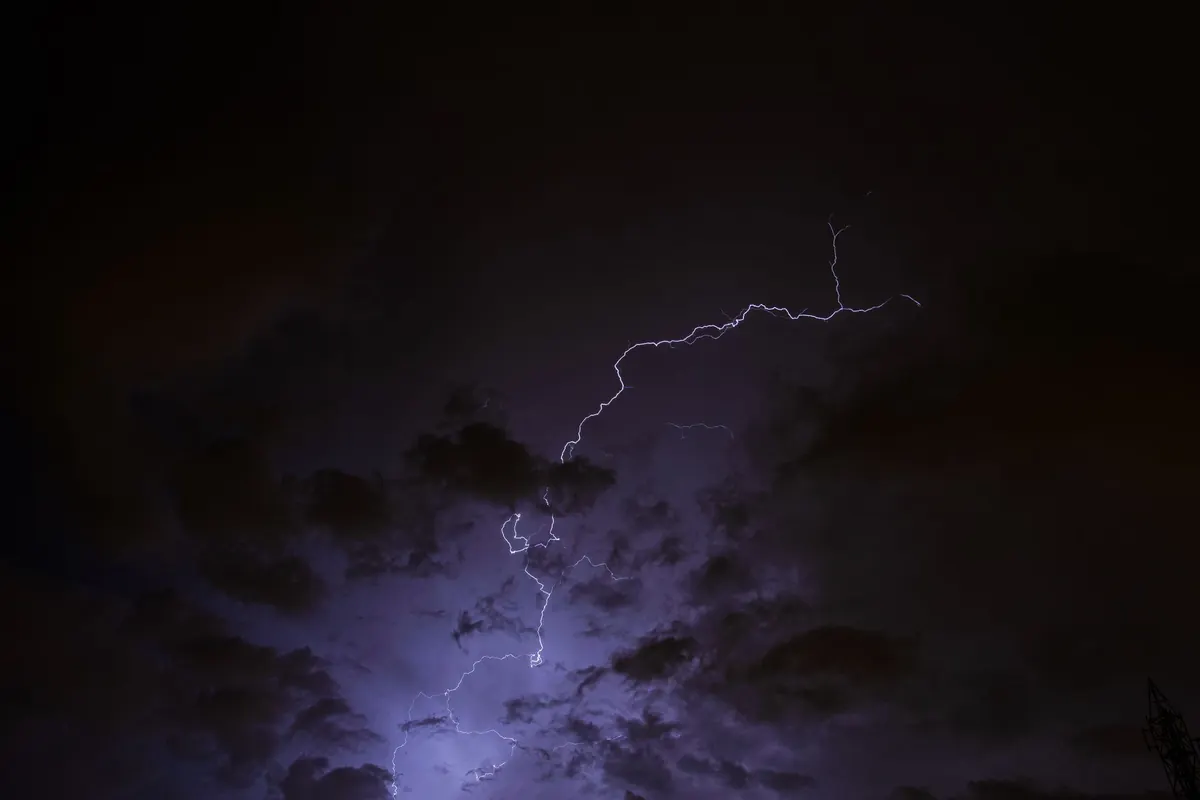
Photo: Deepak Ramesha / Pexels