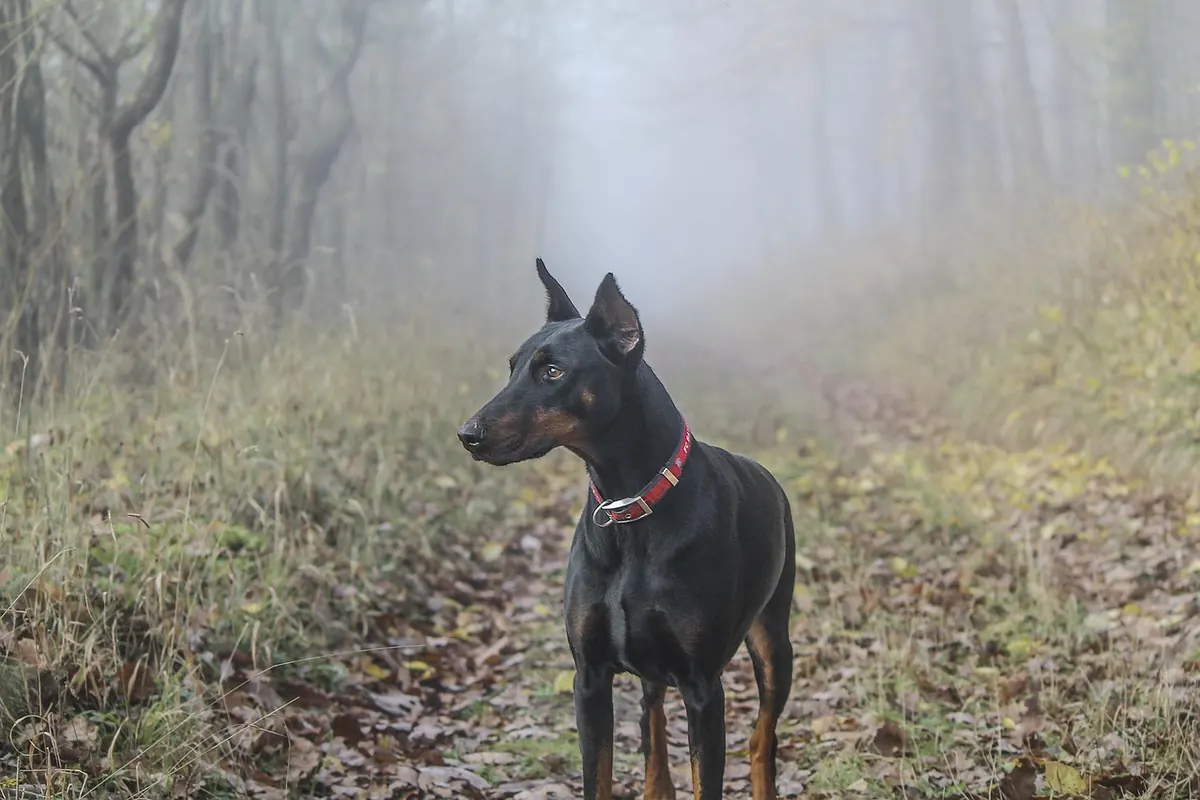
On a wet evening in Norfolk, a walker on a lane between two tall hedges hears something heavy shift in the ditch and decides not to look. Two hundred miles north, up a Yorkshire dale, someone on the path to the parish church sees a shape the size of a calf with eyes like lamp glass — and keeps walking, saying nothing. Two counties, two reputations, one animal that never quite settles.
One Island, Full of Black Dogs
Britain is crowded with spectral hounds. There is the Church Grim that guards churchyards, Padfoot in Staffordshire and West Yorkshire, the Gytrash of Lincolnshire, the Skriker of Lancashire, the Mauthe Doog on the Isle of Man. Most are large, dark, shaggy and tied to death — but the details shift from parish to parish.
The two most-quoted are Black Shuck of East Anglia and the Barghest of Yorkshire. They are often lumped together as one "black dog legend". They are not the same tale told twice. Different landscapes, different witnesses, different ideas about what a ghost dog is actually for.
Black Shuck: East Anglia's Own
Where the name comes from
Shuck is usually traced to the Old English scucca, a demon or goblin; the word also survives in dialect for something rough and shaggy. That root tells you what kind of creature this is — not a stray dog, but something old and deliberately unnamed.
The Bungay and Blythburgh affair
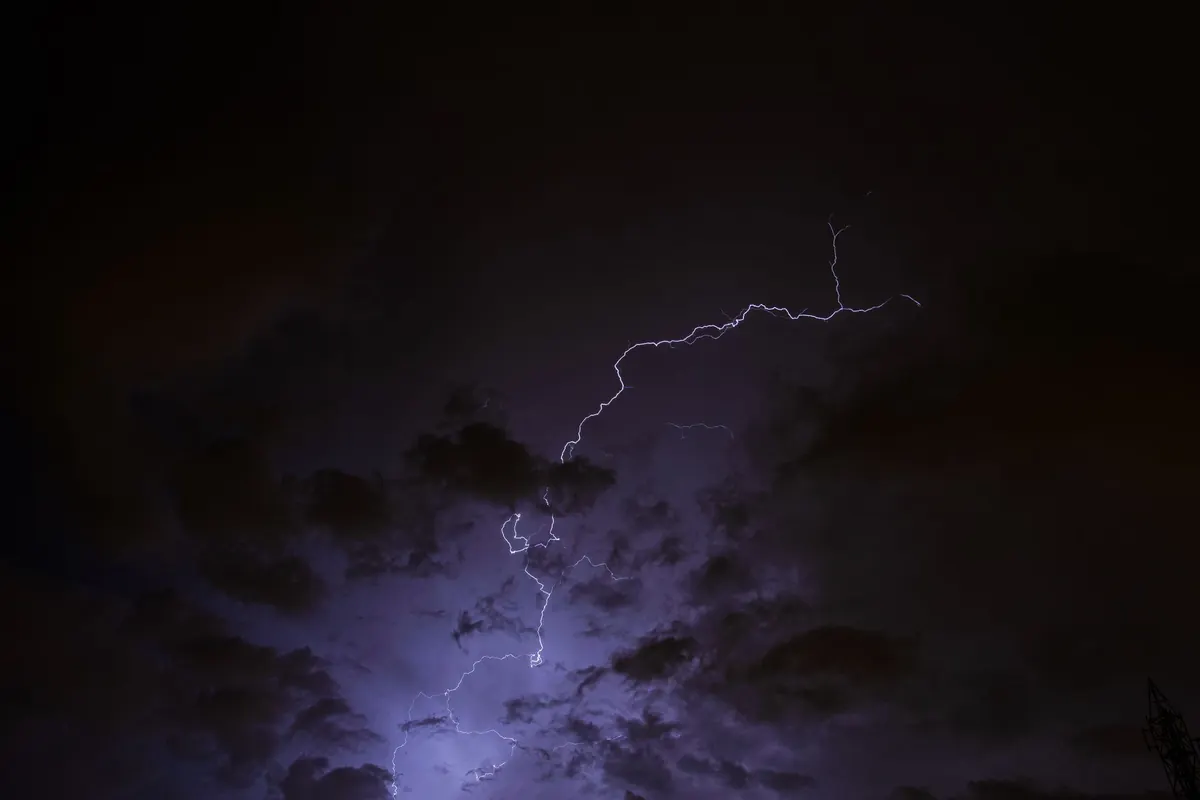
The story that made Shuck famous is set on 4 August 1577, during a violent thunderstorm in Suffolk. A great black dog is said to have burst into St Mary's Church in Bungay during morning service, sending the congregation scattering. Accounts claim two parishioners died, and that the church door carried scorch marks afterwards. Within the hour, a similar animal supposedly appeared at Holy Trinity in Blythburgh, seven miles away, leaving marks on the door there that visitors still ask about. The tale was in print within weeks, in a pamphlet attributed to Abraham Fleming. True or embroidered, it fixed Shuck in the record.
How Shuck behaves
Later sightings keep the shape: a hound the size of a calf, rough-coated, often with a single eye or eyes glowing red or yellow, sometimes headless. It turns up on lanes, harbour paths, heaths and churchyards, and it has a taste for bad weather — several Norfolk and Suffolk accounts place it in storms or sea fog. Sometimes it vanishes at a gate. Sometimes it follows a traveller for miles. In many tellings it is a warning rather than a killer: a sighting means something is coming.
The Barghest: Yorkshire's Night Walker
A name nobody can agree on
Barghest appears as barguest, bargast and barghest across Yorkshire, Lancashire and the north-east. One popular suggestion links it to the German Berggeist, "spirit of the mountain". Another points to bar, an old word for a burial mound or a gate. Nobody has settled it, which is fitting for a creature that is never quite where you expect.
What it does, and where
Here the two legends part company. The Barghest is a shapeshifter. It usually arrives as a black dog, but accounts also give it the form of a headless man, a white hare, a white cat, or a shapeless thing padding behind you on the road. It favours boundaries: stiles, bridges, fords and the corpse roads that once carried the dead from village to churchyard.
Some versions howl. Others splash heavily in water while staying invisible. Others walk in complete silence. In several Yorkshire families the Barghest was treated as a private omen: if it appeared, a death in that family was expected. Whitby, the moors and the old droving lanes all have their own versions. The advice attached to it is consistent: do not speak to it, do not chase it, and you will not outrun it.
Side by Side: The Differences That Matter
- Home ground. Shuck is East Anglian — Norfolk, Suffolk and the fringes of Essex and Cambridgeshire. The Barghest is northern, Yorkshire above all, with cousins in Lancashire and Durham.
- Shape. Shuck is almost always a dog. The Barghest changes shape, and takes on human and animal forms.
- Head and eyes. A single eye or burning eyes are Shuck's signature. The Barghest is more often described as headless.
- Setting. Shuck likes lanes, coast, heaths and churchyards, often in rough weather. The Barghest likes boundaries — bridges, stiles, corpse roads, water.
- Meaning. Shuck is a warning, sometimes a death omen, sometimes simply a terror. The Barghest is more specifically an omen of death, and in some accounts it belongs to one family.
- Temperament. Shuck may pursue. The Barghest more often follows in silence, and the rules for dealing with it are stricter.
Why the Two Traditions Blur
Black dogs are one of the most portable stories in Britain. A tale recorded in one parish turns up three counties away with a new name and a new church door. Both Shuck and the Barghest borrow from older fears: the dark lane, the unlit road, the sound of an animal you cannot see. Both are usually reported by people walking home alone, which is exactly when the eyes play tricks. And both have been polished by nineteenth-century writers and later ghost-hunting books, so the versions most people meet today are considerably tidier than the originals.
Reading Black Dog Stories Properly
- Note the place first. Black dog lore is intensely local. A story from Blythburgh is not interchangeable with one from Whitby, however similar the description.
- Find the earliest version you can. Parish histories, old pamphlets and county folklore collections beat modern retellings every time. Dates and names matter more than atmosphere.
- Check the dialect name. Shuck, barguest, padfoot, grim and skriker are labels carrying their own history, and they rarely mean quite the same thing.
- Expect the setting to have moved. Tales get attached to abbeys, ruins, bridges and pubs long after the fact, because those places are memorable and easy to point at.
- Visit what survives. The marks on the door at Blythburgh, the lanes around Bungay, an old Yorkshire corpse road — standing there tells you why the story took hold in that particular spot.
- Keep the weather in mind. Most sightings happen at dusk, in fog and in rain. That is not a debunking; it is part of how the legend works, and part of why it still does.
Photo: patstatic / Pixabay