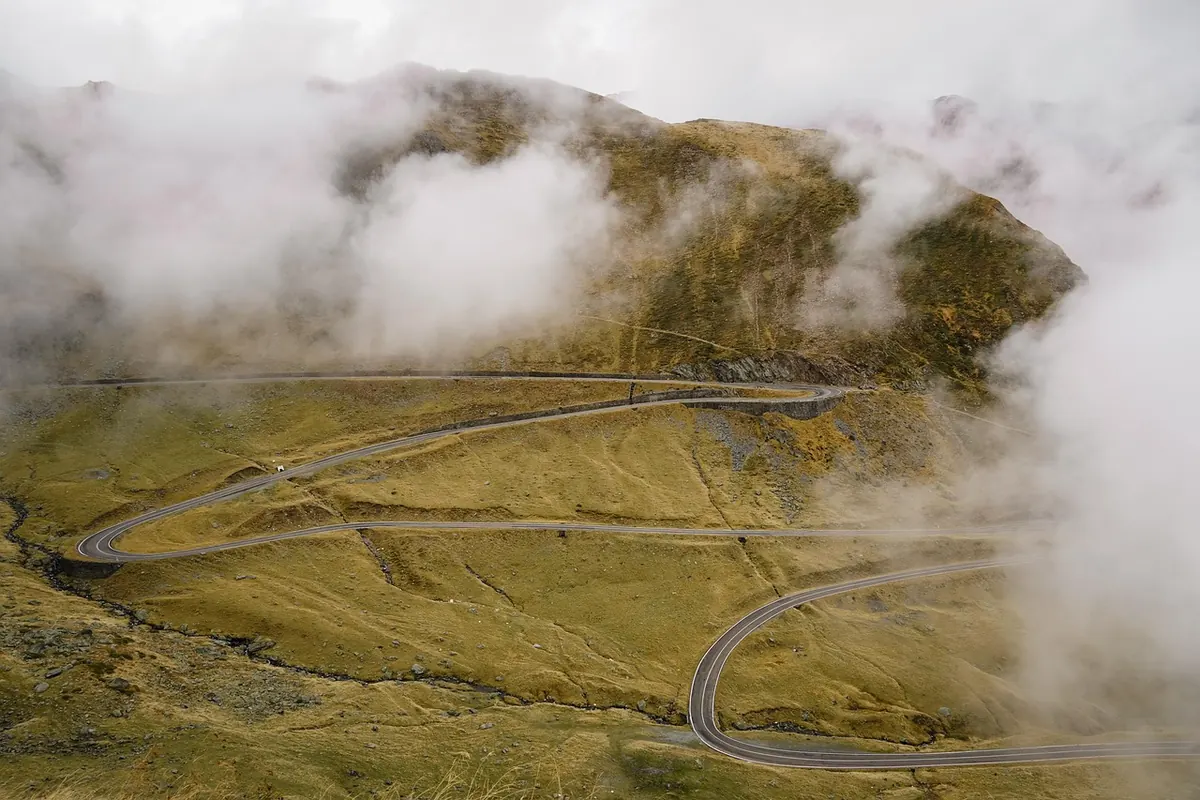
British folklore is not kept behind glass. It sits in field corners, in the bend of a river, on hillsides with names nobody can quite explain. A standing stone beside a farm gate, a well children were told to keep away from, a loch with something under the surface: these places are ordinary until you know the story, and then they are not ordinary at all.
The difference between a frustrating folklore trip and a memorable one is rarely the sites themselves. It is planning: how far you drive between them, whether you arrive at the right time of day, and whether you meet anyone who knows the local version of the tale. Here is how to put a route together properly.
Build a spine before you build a list
Most people begin with a list of names — Tintagel, Glastonbury, Pendle, Loch Ness — and then discover the list describes a shape that cannot be driven in a fortnight. Choose a corridor first, and find the folklore inside it.
A workable spine for southern England runs from Avebury and Silbury Hill across to Wayland's Smithy and the Uffington White Horse, then north-west along the Marches, where border legends gather, before crossing into Wales at Hay-on-Wye or Knighton. In the north, a line from Whitby through the North York Moors to Lindisfarne and up the east coast gives you abbey ruins, Viking place names and a causeway cut twice a day by the tide, all within a few hours of each other.
Two hours of driving between clusters is a sensible ceiling. On the ground, three or four sites a day is plenty. The ones you remember tend to be the ones where you stopped long enough to walk the field boundary and read the interpretation board twice.
Research: maps first, books second
Start with an Ordnance Survey Explorer map at 1:25,000. It shows footpaths, access land and antiquities, and it will tell you honestly whether the stone circle you want to see is a ten-minute stroll from a lay-by or a two-mile walk across wet ground with no obvious start point.
Then check the records. Historic England's list entries, Canmore in Scotland and Coflein in Wales describe what is actually there, whether it is scheduled, and often who owns the land. County Historic Environment Records in England go further still. These are dry documents, and they will save you an afternoon standing at a locked gate.
For the stories themselves, a few books earn their boot space: Westwood and Simpson's The Lore of the Land for England, Katharine Briggs's dictionary of folk tales, Elias Owen's Welsh collections, and John Gregorson Campbell's The Gaelic Otherworld for Scotland. Pay attention to dates. A tale collected from a shepherd in the 1890s may differ sharply from the one on the visitor centre panel, and the gap between them is often the most interesting thing about the place.
Finally, learn to tell folklore from fiction. Tintagel's Arthurian association is largely literary. The Pendle witches were real people tried in 1612, and the legends grew out of a historical event. Knowing which is which stops you repeating a tourism slogan as though it were tradition.
Plan around light, tides and weather
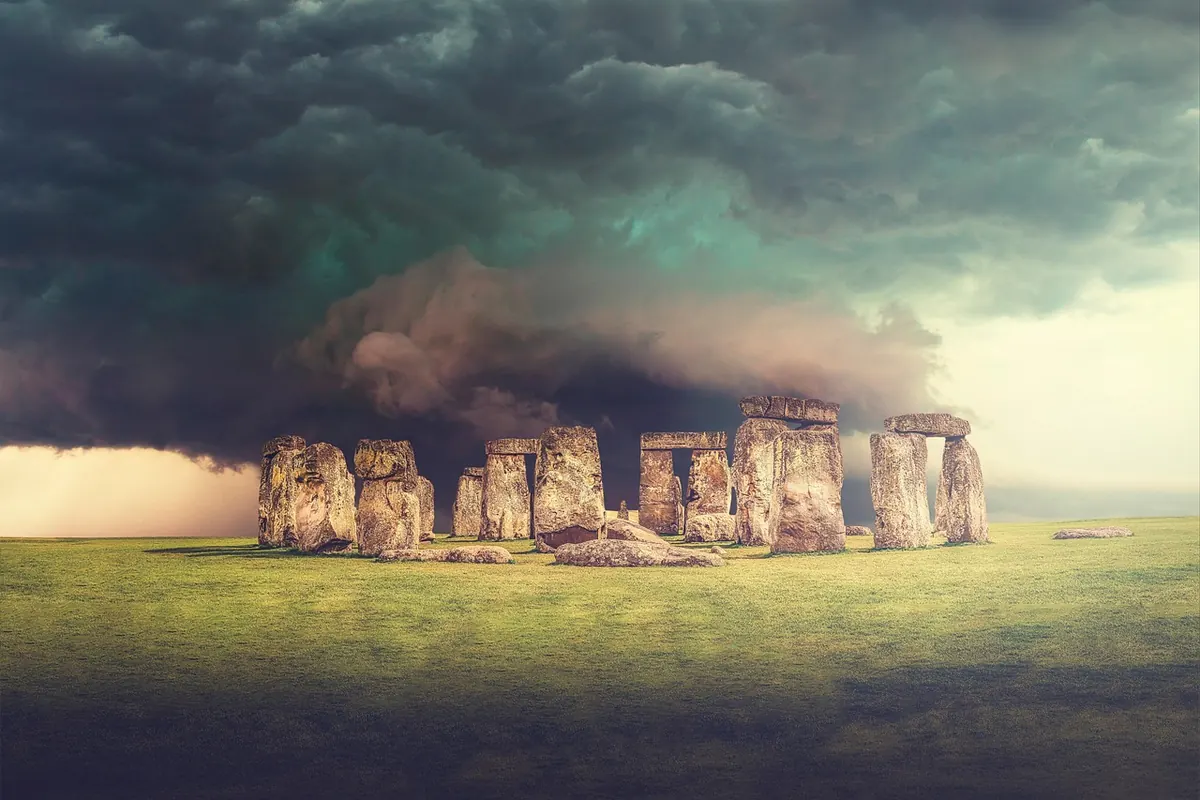
Timing matters more than most guides admit. Standing stones at midday in July are a photograph; the same stones at dusk in October are a place.
- Sunrise and sunset: check times before you fix the day's order. Many rural sites have no lighting and no parking after dark.
- Tides: any causeway — Lindisfarne being the obvious one — needs a tide table, not optimism.
- Weather: western Scotland, Snowdonia and the Cornish coast get rain in volume. Waterproofs, spare socks, and a plan B site in the nearest town.
- Season: winter gives you atmosphere and short days; summer gives you long evenings and crowds at the well-known places.
- Midges: on the west coast and in the Highlands they are at their worst from late spring to early autumn, especially at dusk in still, damp air. Repellent helps; a breeze helps more.
- Roads: Highland single-track roads use passing places. Pull in to let faster traffic past, and do not park in them.
Access, etiquette and the rules that matter
Scotland has a right of responsible access, set out in the Scottish Outdoor Access Code. In England and Wales you rely on public rights of way and open access land, which is marked on Explorer maps. Either way, close gates, keep dogs under control near livestock, and take everything home with you.
Scheduled monuments are legally protected. Climbing on stones, moving them, or disturbing the ground around them is not a harmless gesture. Metal detecting on a scheduled monument is a criminal offence, and anything that might count as treasure must be reported — in England and Wales under the Treasure Act, and in Scotland to the Treasure Trove Unit, which covers all finds of archaeological interest.
Many of the best sites sit on working farmland. If the path is unclear or the gate is padlocked, ask at the farmhouse. A polite question usually gets you further than a map reference.
Find the people who still tell the stories
The printed version of a legend is often the least interesting one. The local version, told in a pub or a village hall, carries the details that got smoothed out in print.
Look for storytelling clubs and folk nights; the Society for Storytelling keeps a directory of events across the UK. Museum talks, guided walks run by Cadw, Historic Environment Scotland, English Heritage and the National Trust, and library local studies sections are all good starting points. Ask open questions — "what did you hear about the well?" — and listen rather than interview. Buy a drink, buy a book, and remember that people who live somewhere are not exhibits.
Three route sketches that work
Wessex and the Marches, five to seven days
Avebury, West Kennet, Silbury Hill, then east to Wayland's Smithy and the White Horse. Turn north-west for Herefordshire and the Shropshire border, finishing at a Marches village with a churchyard legend and a decent pub.
North Wales, four to five days
Begin at Dinas Emrys near Beddgelert, where the two dragons were said to fight, visit Gelert's grave in the village, cross to Devil's Bridge for the hounds-and-cow tale, and finish in the Brecon Beacons with Llyn y Fan Fach and the physicians of Myddfai.
The Highland edge, six to eight days
Glencoe for the 1692 massacre, then west to the Fairy Pools and the Old Man of Storr on Skye, north to Loch Ness, and a final ferry to the standing stones at Callanish on Lewis. Distances are long; build in a rest day.
Before you set off
Download offline maps, since signal vanishes in valleys and on moorland. Confirm opening times for anything run by a trust or charity, as several sites close out of season. Check parking payment methods in remote areas and carry change anyway. Book accommodation near your clusters rather than halfway between them, and tell someone your route if you are walking alone in the hills.
Above all, leave room for the unplanned stop: the church with a strange carving, the signpost to a holy well, the conversation that sends you somewhere you had never heard of that morning. Those are the places that end up in the story you tell afterwards.
Photo: alexman89 / Pixabay