Every town has one: a tale told in the pub, repeated to children, half-believed by the people who repeat it. A phantom dog on the lane between two villages. A tunnel that supposedly runs from the church to the harbour. A witch's grave where the grass never grows.
The trouble is that most people who tell these stories cannot say where they came from. Tracing a legend is not about proving it true or false. It is about finding out how old the story is, who has carried it, and what it may once have meant. The work is patient, cheap and genuinely enjoyable, and most of it can be done within a few miles of the story's setting.
Start with the version people tell you now
Before you open a single archive box, collect the living story. Ask the teller three things: who told you this, when did you first hear it, and where exactly does it happen? Write the answers down the same day, with the date, the teller's name and their rough age.
Collect variants rather than one clean version. If two people give the story different endings, or one puts the ghost at the crossroads and the other at the bridge, that is useful. Legends drift, and the drift leaves tracks. Note dialect words and place names exactly as they are spoken, even if they look strange on the page. If you plan to publish or quote anyone, ask first and be clear about where it will appear.
Pin the story to the ground
Legends cling to places: a lane, a well, a boundary stone, a rebuilt barn. Get the largest-scale Ordnance Survey maps you can find for the area, beginning with the first edition six-inch and 25-inch sheets from the mid-nineteenth century, and compare them with a modern map. Field names are worth chasing, because they survive in tithe apportionments and enclosure awards long after the fields themselves are built over.
Your county Historic Environment Record is the other useful tool here. It lists archaeological sites, find spots, old wells, boundaries and historic buildings, and most are searchable online. Then walk the route. Stand where the story happens and ask what the place would have looked like a hundred or two hundred years ago.
Be cautious with place-name explanations. The popular claim that a name "comes from" a legend is often far younger than the name itself. A decent place-name dictionary is a better starting point than a folk etymology.
Use the local studies library properly
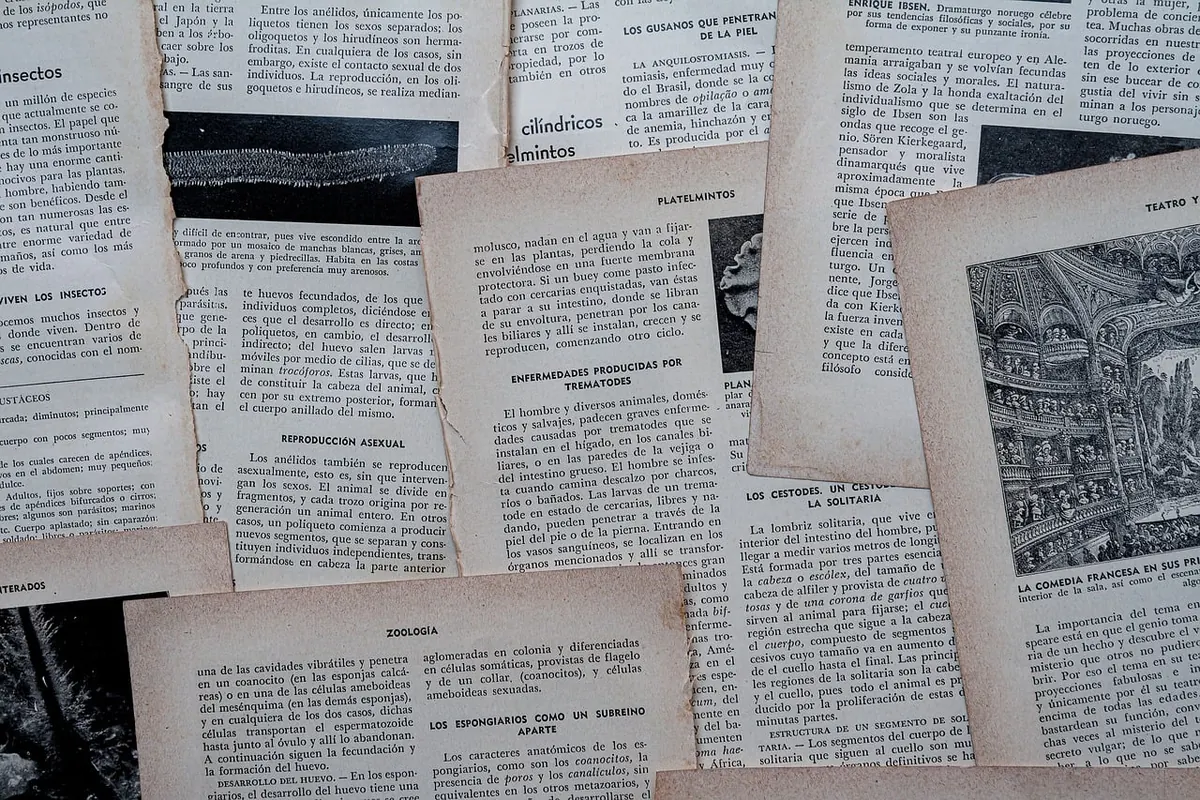
Most county towns and larger towns have a local studies collection, usually inside the main library. This is where the printed memory of a place sits: runs of local newspapers on microfilm, parish histories, old guidebooks, trade directories such as Kelly's, cemetery transcriptions, and boxes of pamphlets and photographs. Catalogues are increasingly online, but plenty of material is uncatalogued, so talk to the staff. They often know the collection better than any database.
Take a modest kit with you:
- A pencil, because some archives still ask you not to use ink near documents
- A notebook and a phone or camera for reference shots, where photography is allowed
- Change or a card for the photocopier and printer
- A note of the exact shelfmarks and page numbers of anything you use
- Your own rough timeline of the legend, so you can slot finds into it as you go
Check opening hours before travelling, and ask whether microfilm readers or archive items need to be booked in advance. A wasted trip is the most common way this research stalls.
Record offices, parish registers and the paper trail
County record offices hold the documents that let you test whether a legend has a real event or person behind it. Parish registers of baptisms, marriages and burials are the obvious first stop, along with churchwardens' accounts, vestry minutes, overseers of the poor, and quarter sessions records. Many registers have been digitised and are searchable online, though coverage varies enormously from parish to parish.
The productive question is simple: does the story name a person, a year or an event? If it does, look for them. A surprising number of legends attach a real, traceable individual to a deed they almost certainly never did, or hang a fictional tale on a genuinely unusual burial. Equally, remember that an absent record proves very little. Registers have gaps, pages rot, and the poor and the nonconformist often went unrecorded.
Chase the story through newspapers and printed collections
Search the digitised newspaper archives for the place name plus the motif — not just "ghost", but words like "boggart", "black dog", "white lady", "hob", "wraith" or "fairy". Note the earliest dated appearance you can find, and be wary of it. Victorian and Edwardian collectors often polished a rough local tale for a paying readership, and a single printed version may tell you more about the writer than the legend.
The Folklore Society's journal, the old county folklore volumes, and local antiquarian societies all repay a look. If your town is in Sussex, the Mass Observation Archive is worth knowing about for twentieth-century everyday life. For anything within living memory, local oral history projects and county sound archives may already hold recordings of people telling the very story you are chasing.
Interview people well, not just often
Oral history is where legends come alive, but a careless interview produces nothing usable. Prepare properly.
- Research the place first, so you can ask informed questions rather than vague ones.
- Test your recorder before you arrive, and ask permission to record before you switch it on.
- Ask open questions — "what were you told about the lane?" — rather than leading ones.
- Let silences sit. The best material often arrives after a pause.
- Ask about ordinary life too: work, school, walks home in the dark. Fear of a place usually comes from somewhere real.
- Use a simple consent form that says who you are, what the recording is for, and where it may end up.
- Send a transcript or a copy of the recording afterwards. It is basic courtesy and it builds trust.
Be upfront about your purpose. People are sometimes wary of being made fun of, and a legend told for laughs is a legend that stops being told.
Weigh what you have found
Lay your evidence out in date order and ask blunt questions of it. What is the earliest source? Who wrote it, and for whom? Does the story change shape to suit each new audience? Does it borrow from a published tale, a film, or a newspaper report from somewhere else entirely? Plenty of "ancient" customs turn out to be Victorian inventions or twentieth-century revivals, and that is a finding in itself, not a failure.
If you cannot say where you heard it, when it was written down, or who first told it, you have a story rather than a source.
Keep the uncertainties. A careful note that two versions disagree is more valuable to the next researcher than a tidy narrative that quietly smooths them over.
Write it up, then give it back
When you have something worth keeping, write it plainly: the versions you collected, the documents you found, the gaps you could not close, and your sources listed properly. Credit the people who told you things by name, unless they ask you not to.
Then deposit what you have. Local studies libraries and county record offices often accept recordings, transcripts and research notes, and future historians will thank you for it. Offer a copy to the parish council, the local history society or the museum. Give a short talk. Bear in mind that recordings belong to the people who made them and that letters and diaries may still be in copyright, so ask before you publish or repost anything.
Start small. One pub story, one lane, one name, one afternoon in the library. Legends survive because somebody keeps telling them, and from now on that somebody can be you — with the dates to prove it.
Photo: Arturo_Anez / Pixabay