The British year has two layers. One is printed: bank holidays, term dates, the supermarket aisle. Underneath runs an older calendar of bonfires, blossoms and restless nights, where the turning points of the year are also the moments when the line between the everyday world and something stranger grows thin. You do not have to believe a word of it to enjoy it. But knowing what to look for — and when — turns an ordinary walk, village fete or dark January evening into something much richer.
Halloween and Samhain: the thin time
Halloween sits on the eve of Samhain, the Gaelic feast marking the start of winter. In Ireland and Gaelic Scotland this was a hinge in the year rather than a night of horror: a time when the dead and the sí, the people of the fairy mounds, were thought to move more freely. The response was not screaming but caution and good manners — leave out food, keep your door shut after dark, and never follow a light across a field.
The church later folded its own feasts around it. All Saints' Day on 1 November and All Souls' Day on 2 November gave us All Hallows' Eve, and with it the practice of souling: the poor going door to door for soul cakes in return for prayers. Those cakes, and the verses sung for them, are the direct ancestors of trick-or-treating — which makes the modern doorstep ritual far older than most people assume.
What to look for on 31 October
- Turnip lanterns. Before pumpkins arrived from America, faces were carved into swedes and turnips — still the norm in parts of Scotland and Northern Ireland. They smell awful and take real effort. That is part of the charm.
- Guising. In Scotland and the north of England, children went in disguise, recited a poem or sang a song, and were given fruit, nuts or money. No performance, no reward.
- Charms in food. A ring baked into a barmbrack or a coin hidden in colcannon; whoever found it took the luck, or the wedding.
- Divination games. Apple bobbing, snap-apple, and roasting nuts on the hearth — in northern England the night was sometimes called Nut-crack Night. Each nut was named for a sweetheart; one that burned steady meant constancy.
- Small protections. Salt, iron and a pinch of oatmeal were the traditional defences. In Wales, Nos Galan Gaeaf brought warnings of the Ladi Wen and the tailless black sow, and people went home before the last embers died.
May Day: fire, dew and green things
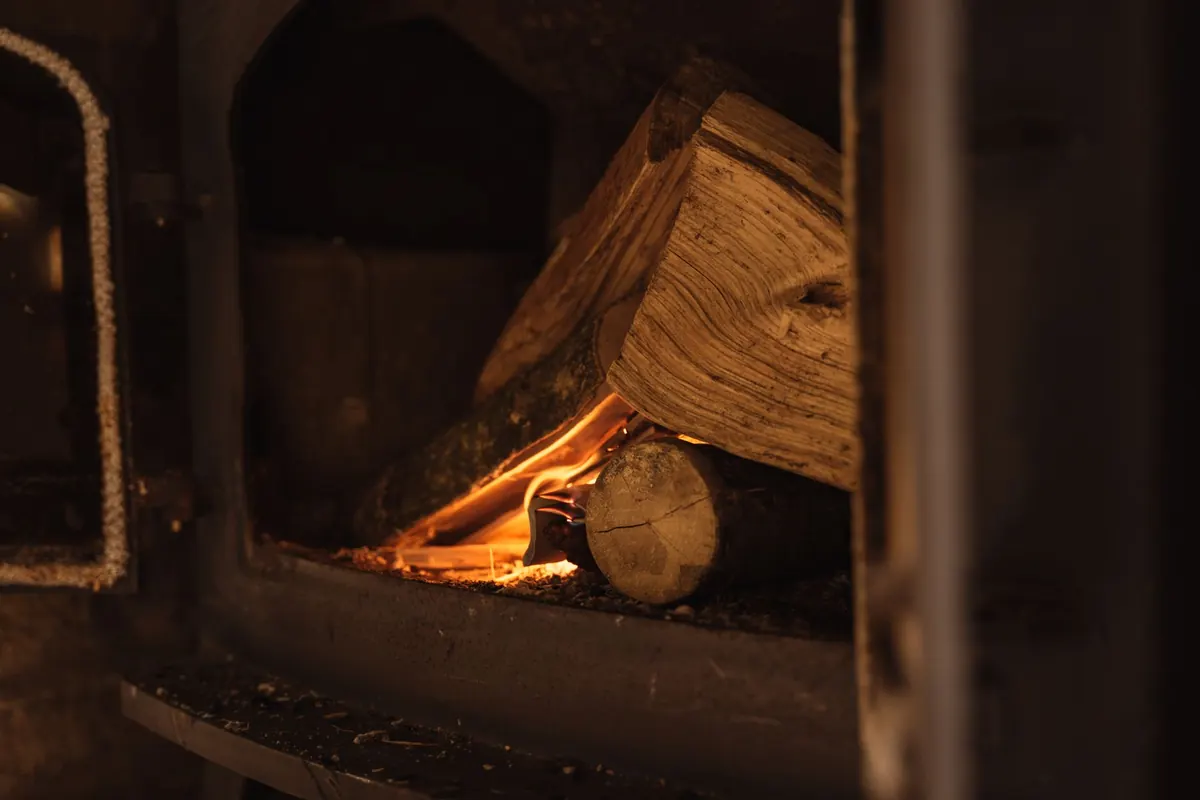
May Eve and May Day belong to Beltane, the opposite hinge of the year. Cattle were driven between two fires to purify them before the summer pastures; households banked their own hearth fires and relit them. Rowan branches, iron and salt went above doorways for the same reason as at Halloween — the fairies were said to be on the move, and May was no time to be careless.
Then there is the gentler side. Collecting the dew before sunrise on 1 May, and washing your face in it, was done for complexion and luck well into living memory. Hawthorn — may blossom — was gathered for the May bush and the garland. Folk sayings grew up around it: ne'er cast a clout till May be out may mean the month, or may mean the hawthorn blossom itself, depending on who you ask. Bringing may indoors outside the season was widely thought unlucky, and in some places it still is.
If you want to see it rather than read about it, the surviving customs are worth the trip: Padstow's Obby Oss in Cornwall on 1 May, Helston's Furry Dance, the Jack in the Green processions that reappeared in the twentieth century, and the well dressings of Derbyshire, where villages press flower petals into clay to make pictures beside their wells.
Christmas and the Twelve Days
Midwinter is the third great threshold. Yule was a festival of light in the dark, and much of what we now call Christmas is a Victorian arrangement of older pieces: evergreens, fire, and a healthy appetite. Holly and ivy were brought indoors as shelter for the green world, then burned or taken down at Twelfth Night — leaving them up too long was said to invite bad luck, or worse, give the fairies somewhere to hide.
Because the dead were close in winter, Christmas Eve became the traditional night for ghost stories. Dickens did not invent the habit; he was writing into it. The season also has a practical, noisy side:
- Wassailing. In the cider counties, people sang to the apple trees and poured cider on the roots, sometimes firing guns through the branches and hanging toast soaked in cider in the boughs to wake the trees for a good crop. Old Twelfth Night, 17 January, is still kept in some orchards.
- Mari Lwyd. Between Christmas and Twelfth Night, a horse's skull on a pole arrives at the door in parts of south Wales, and the household has to answer in verse or let it in.
- First-footing. After midnight, the first person over the threshold should be dark-haired and carrying something — coal, bread, salt, a coin. Arriving empty-handed was the real offence.
- The pudding. Everyone in the house stirs the mixture and makes a wish. The flavour and the coin are the point; the wish is the ritual.
Between the big three: other dates worth marking
Two or three festivals do not make a year, and the folklore calendar has plenty of quieter markers. Candlemas and Imbolc on 1–2 February bring the first stirrings and a sharp bit of weather lore: if Candlemas Day be fair and bright, winter will have another flight. Midsummer's Eve, 23 June, was a night of hilltop fires and fern seed, said to make the bearer invisible. Lammas on 1 August marked the first harvest, with the last sheaf cut into a corn dolly and kept until spring. Then autumn arrives with Michaelmas, and the tar barrel races of Ottery St Mary on 5 November, which have nothing to do with Guy Fawkes and everything to do with fire and daring.
How to mark the year without getting it wrong
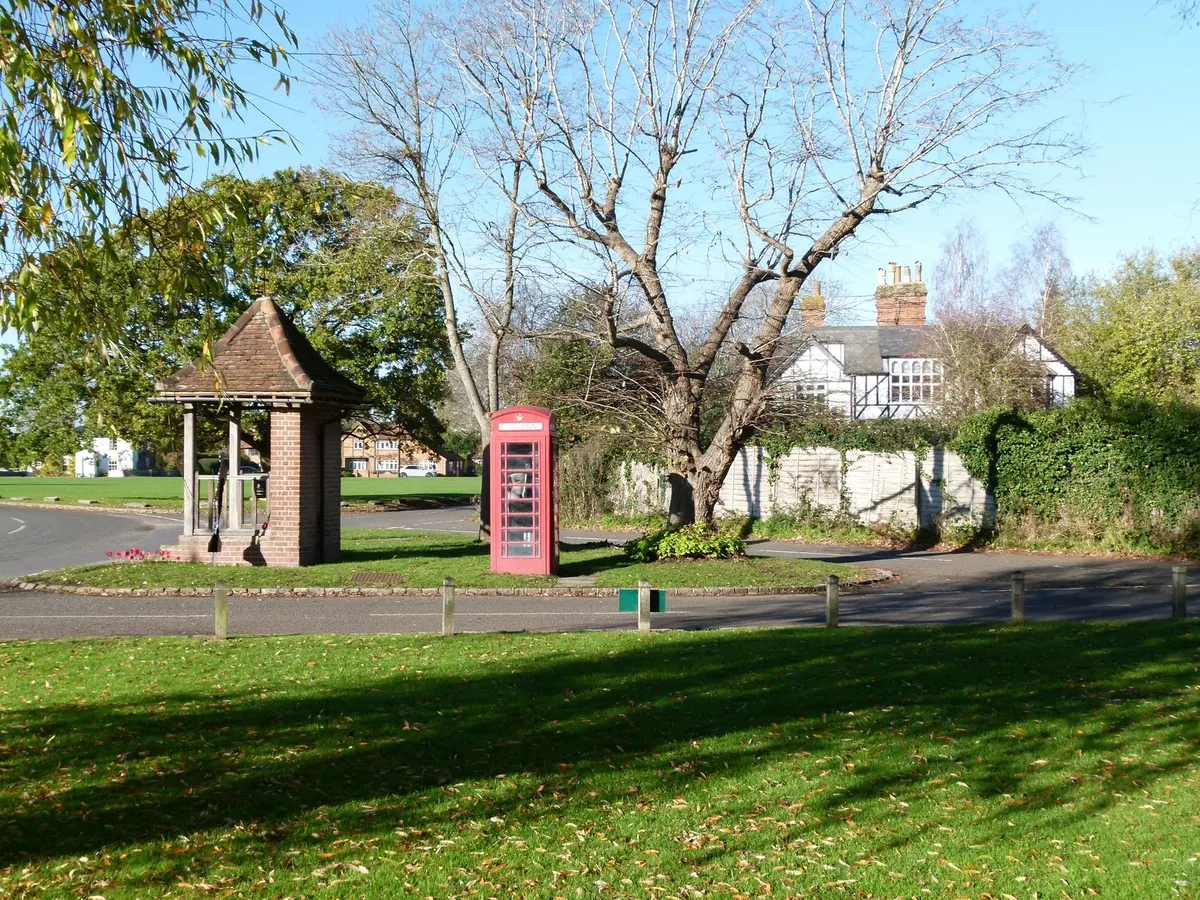
Start local. Almost every town and county has one custom still ticking over, and the people who run it know more than any book. Ask at the library, the local history society or the folk museum. If you can, turn up in person rather than reading about it from a distance.
Keep a seasonal notebook. Note the date you first hear a cuckoo, see may out, or eat the first blackberry — those small observations are the raw material the old beliefs were built from. Cook something: soul cakes, a barmbrack, a wassail cup. Food carries custom better than any explanation.
Two practical cautions. Treat private land and living traditions with respect, and ask before photographing. And if a custom involves fire, tar barrels or standing on dew-soaked ground at dawn, do it sensibly, with the people who have run it for years.
Above all, do not fret about authenticity. Plenty of what we now think of as ancient was tidied up, revived or invented in the Victorian era, and new customs are being made this year in the same spirit. The point is not to reconstruct the past exactly. It is to notice the turn of the year, and to let it have a bit of colour.
Photo: Andrew Cormie / Pexels