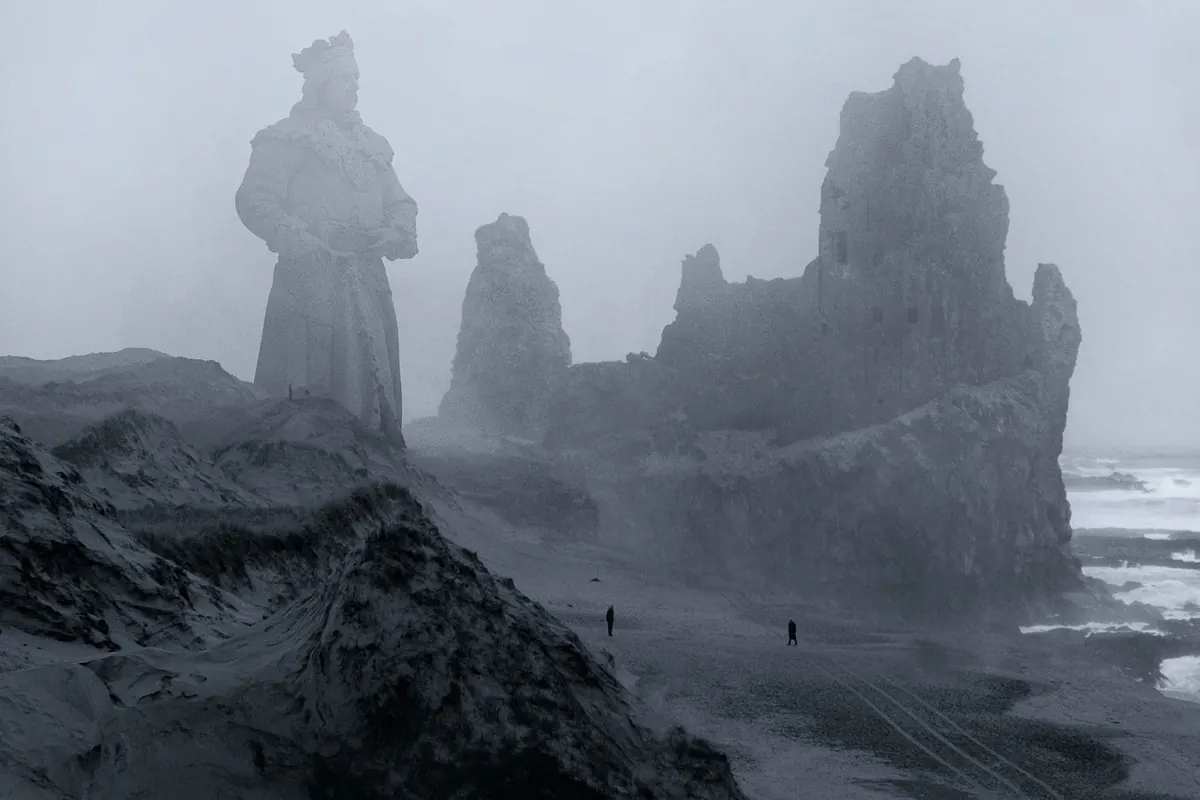
Britain is unusually good at haunted castles. The same building can be a scheduled ancient monument, a family home, a wedding venue, and the setting for a story about a grey lady on the north stair. That overlap is what makes a visit so atmospheric — and so easy to get wrong.
Most disappointing evenings have nothing to do with whether anything supernatural happened. They come down to small, practical misjudgements: the wrong ticket, the wrong shoes, the wrong expectations.
Booking the wrong sort of evening
"Haunted castle" covers at least four different things: daytime admission with a ghost-story leaflet, a guided tour after dark, a full paranormal investigation with equipment, and a seasonal special such as a candlelit Christmas tour. They are not interchangeable, and turning up at dusk hoping to join whatever is happening rarely works.
Read the practical details before you pay:
- Is the event indoors, outdoors, or a mix? Ruins and courtyards are cold and exposed, whatever the forecast.
- How far do you walk, and how many stairs? Some routes involve spiral staircases with worn treads and low lintels.
- Are tickets timed, and what is the latest entry? Late slots at remote sites can mean a long, unlit drive home.
- Is there an age limit? Some after-dark events are adults-only; others say no under-12s.
Private homes that open for ghost events do so on a handful of dates a year, so book early. If you are travelling far, check whether outdoor tours run in bad weather — they do get cancelled.
Treating the castle as a film set
Ropes, "keep off" signs and closed doors are not theatrical flourishes. In a building several hundred years old, a staircase might be the only surviving one of its kind, and a lawn might sit on top of archaeology. Ducking under a rope for a photograph is the fastest way to get a group removed.
The same applies to objects. Fingers leave oils on stone, wood and textiles, and a carved chest is not a prop. If something has been placed for effect — a lantern, a chair, a candle — leave it where it is. In castle chapels and churchyards, keep voices low, avoid sitting on ledgers, and treat any graves as someone's family, because they are.
Photography etiquette after dark
This is where well-meaning visitors cause the most irritation.
Flash
A single flash in a dark room destroys the night vision of everyone around you — and night vision is the entire point of a candlelit tour. Many properties ban flash indoors outright, partly because light damages textiles and watercolours.
Torches, phones and tripods
Phone torches are worse than they look: harsh, blue-white, and usually pointed straight at a guide's face. If a torch is allowed, keep the beam low, use the dimmest setting, and check whether a red filter is permitted. Tripods block narrow passages and are a genuine hazard on uneven floors, so ask first. Before filming a guide's talk, ask; many are happy, some are not.
Not everyone on a ghost tour is there for fun. People come after bereavements, or because a story means something to them. Filming strangers without asking is not the same as photographing a battlement.
Playing to the gallery
Every tour has one: the visitor who performs. Loud gasps, mockery, a sudden announcement that something just touched them. It pulls attention from the guide and unsettles everyone else. Staff have heard it all before. If you feel something, say so quietly to the guide afterwards — they usually have a better story than the one you were about to invent. If a medium is involved, heckling is bad form, and so is leading them with answers.
Ignoring the ground under your feet
Castles are hostile environments dressed up as visitor attractions. Expect worn spiral steps, sudden changes in level, low doorways, cobbles, gravel, and grass that holds water. Flat shoes with grip are the practical choice. Bring a small torch and a layer more than you think you need; thick stone walls stay cold well into summer.
Check access before you book. Many towers are reached only by stairs, and some routes are not suitable for wheelchairs or pushchairs. Venues would far rather know your requirements in advance than improvise on the night. If stairs, cold or standing for long periods could affect a health condition, ask the venue what is involved, and take medical advice if you are unsure whether the visit is right for you.
Expecting a performance
Most ghost events do not deliver a ghost. They deliver atmosphere, history, and the occasional unexplained creak that turns out to be a door, a bird, or a radiator. Go for the building and the stories and you will enjoy it far more than if you spend two hours waiting for something to happen.
Brief your group beforehand, especially teenagers and hardened sceptics. If you want to bring your own equipment — dowsing rods, an EMF meter, a voice recorder — ask the venue first; many restrict kit, and some run their own investigations. Afterwards, write down what you noticed while it is fresh, and include the ordinary explanations alongside the strange ones. That is what makes an account worth reading.
A short pre-visit checklist
- Book direct with the venue and read the full practical information, not just the date.
- Note the last entry time, gate-closing time, and how you are getting home.
- Check the photography rules, including flash and tripods.
- Wear flat, grippy shoes; take a thin layer, a waterproof and a small torch.
- Tell the venue about access needs or health concerns in advance.
- Arrive ten minutes early for the safety briefing. It matters in the dark.
- Stay on the route, keep hands off the fabric, and leave the props alone.
- Be kind to the stewards. Most are volunteers or seasonal staff working late.
Britain's haunted castles survive because people care for them, and that care depends on visitors who treat the buildings — and each other — well. Get the practical side right and you will be welcome back, whatever the grey lady decides to do.
Photo: ntnvnc / Pixabay